

Dhurandhar 1 and 2 have everyone in a grip. The films haven’t just broken box office records, they’ve shifted how spy stories are mounted in Bollywood. At a time when it’s getting harder to pin down what draws audiences to theatres, the Aditya Dhar directorial has managed to hold attention.
Filmfare’s Editor-in-Chief Jitesh Pillaai writes on Dhurandhar:
My rather late in the day two bits about Dhurandhar Part 1. I don’t know if this is the revolution that Bollywood needs. Perhaps it is, and that’s a good sign. After ages, I was hooked to an almost 4-hour film. Aditya Dhar is an answer to all the DVD rip-off, Aaram Nagar armchair writers.
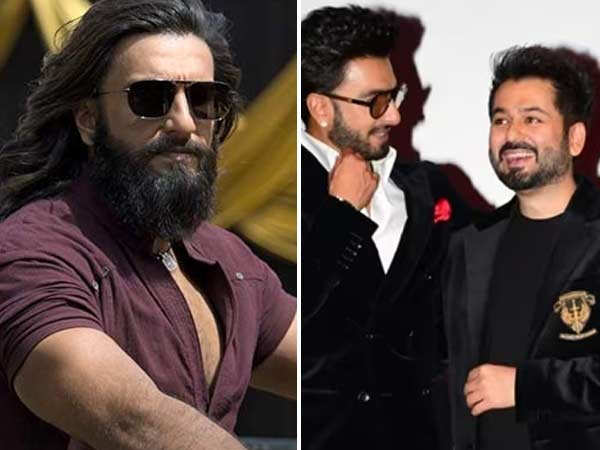
He’s shafted Bollywood beautifully and shown us how it’s done. It’s easy to dismiss it as jingoistic crap, and I was tempted too. But wait, there’s a bleeding heart story told with such raw force and energy that you’re hooked. Ranveer Singh puts in perhaps his most immersive performance, conveying pain and angst through his eyes.

There is a scene in part 1 where he’s watching as an infiltrator the havoc caused by Kasab and the infidels rejoicing. That one scene is done so splendidly. It’s a cinematic revelation. Aditya Dhar masterfully manipulates your emotions and crafts a solid sucker punch. Cinema is all about manipulation, and Dhar does it with the finesse of an aesthete.
Vikash Nowlakha’s camerawork is astounding, as is the absolutely bustling with life and tempo background score by Shashwat Sachdev. I was beginning to dismiss Bollywood as a shit show. In the last few years, I had become weary and wary and stopped seeing movies unless it made significant sense to watch.

Known directors fell by the wayside, actors disappointed, and the music was cow dung. But Dhurandhar just gets everything right. If you go with an open mind and don’t see it as some jingoistic crap fest. Because it’s not.
I’m yet to see Part 2, which I’m told has some agenda. But this was pure cinema. About ten years ago, I felt this way when the Bahubali wave came our way.
I found the climax a bit middling, especially the portions between Sanjay Dutt and Akshaye in Part 1, but again, when Ranveer reappears, the film finds its form grips. Full Props to the editor because putting this film together must have been huge. The debutant heroine, Sara Arjun is okay okay, but the scenes between her and Ranveer hark back to the Mani Ratnam romance in Bombay.
It’s probably romance on steroids. Does it work? Big time. The shoot-out sequence with the Rambha Ho soundtrack playing in the background is masterful as it is imaginative. The action pieces are choreographed so stylishly and frenetically.
One torture sequence post-interval I felt was unnecessary, but that’s only my softie palate. Be it the cameos or the juicy bits by Akshaye Khanna, Rakesh Bedi, R Madhavan, it’s all done with aplomb. Madhavan gets the movie’s best lines in part 1.
I wonder what kind of energy Ranveer Singh channelled from the ether to be so much grimness and gravitas. It’s not a menace, it’s something more like his angst is left to simmer on a slow boil. The restraint and poise he brings to a few scenes and the gut-spilling action in others left me slack-jawed.
There is a lot to like about Dhurandhar, Part 1. But more than box office and everything else, it’s just ballsy, terrific cinema. Like the Deewaars and Satyas we grew up with. This is testosterone-fuelled, high-powered cinema. But no vulgarity, no tits and ass. It’s lean mean cinema.
Dhurandhar also makes us redefine our own tastes, which we had accepted for so long. Popular cinema and culture are changing, and we better shape up. Our directors better shape up. If Dhurandhar is the future of cinema, there is hope yet. It’s free-wheeling, great craft and an inventive screenplay. Menopause at the cinema can wait some more.
Take a bow, Ranveer Singh. Take a bow, Aditya Dhar. This is your time. Thank you for showing us how it’s done. Just when you thought it was pack-up time to draw the curtains on anything Bollywood, this double whammy comes along.
Also Read: Editor’s Take – Revisiting The Genius of Satyajit Ray: Five Films and Infinite Emotions


 By
By