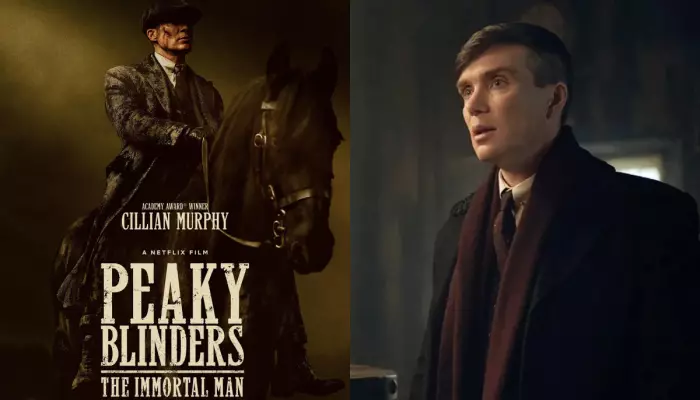

The tale of ‘Tommy Shelby’ will be released on Friday, March 6, 2026 (ET). The feature-length film, Peaky Blinders: The Immortal Man, is slated to conclude soon after. However, the movie is not expected to mark the final chapter of the Peaky Blinders franchise, and will tie up the arc of ‘Tommy’ portrayed by Cillian Murphy. This could possibly be a good chance for the makers to pave the way for a follow-up series centred around a new generation of the ‘Shelby’ clan.
The film will be released in theatres on March 6, 2026, before making its way to the OTT platform, Netflix, on March 20, 2026 (ET). As fans prepare to bid goodbye to Cillian Murphy’s much-loved character, ‘Tommy Shelby’ and welcome a fresh chapter of the Birmingham street gang, they’ve just managed to connect one aspect of the story. As fans wait for the drama to unfold, they have figured out that, while the events depicted in the popular series are fictional, the ‘Peaky Blinders’ gang is based on real individuals. So, without any further delay, let’s take a look at what aspects of the film have been inspired by real events.
Peaky Blinders: The Immortal Man is inspired by real-life ‘Peaky Blinders’
The BBC series, which premiered in 2013, isn’t based on a true story. However, not everything shared in the feature film is complete fiction. The gang on which the film is based, ‘Peaky Blinders’, was indeed a genuine street gang in Birmingham. Nonetheless, its prime was significantly earlier than portrayed in the series. According to a report by the Mirror, while the show’s plot kicks off in 1919, shortly after the end of World War I, the actual gang were predominantly active in the 1880s. Additionally, the printed mention of ‘Peaky Blinders’ appeared in a March edition of the Birmingham Mail, according to Sky History.


 By
By