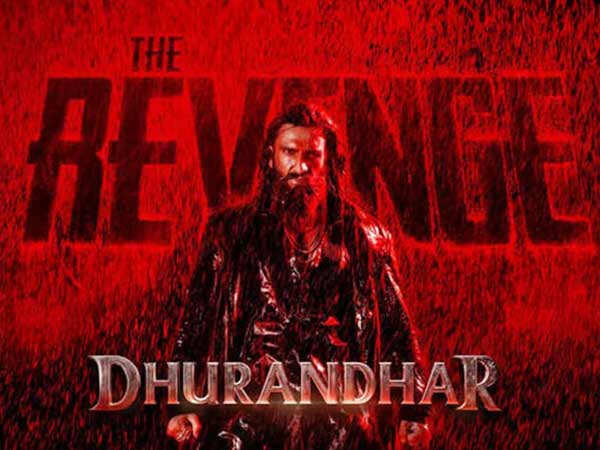


The makers of Dhurandhar 2: The Revenge, starring Ranveer Singh, have reportedly made further changes to the film’s theatrical print, including muting more abusive words. The update comes after ongoing discussions around the film’s use of language and censorship in cinemas.
The film had already been under scrutiny for its “half-muted” cuss words, which sparked debate among audiences and industry voices. Many questioned why certain words were only partially muted while others were left intact, especially given that the film carries an A (adults-only) certification.
According to recent reports, the revised print now addresses these concerns by muting additional offensive words more consistently. Alongside the audio tweaks, the makers have also reportedly fixed minor technical issues noticed in earlier screenings, signalling an effort to refine the theatrical experience post-release.

Censorship and creative freedom have been a recurring theme in conversations around Dhurandhar 2. While the Central Board of Film Certification (CBFC) had already suggested cuts to violent scenes and profanities before release, the latest changes appear to be driven by a mix of audience feedback and internal decisions by the filmmakers.
The controversy has also reignited discussions about inconsistencies between theatrical and OTT versions of films, with critics pointing out that language often appears uncut on streaming platforms later.

Despite the debates, Dhurandhar 2 continues to dominate the box office, with its scale, performances, and storytelling drawing large audiences to theatres.
The film’s evolving theatrical version reflects how big-budget productions are increasingly adapting in real time, responding to both audience reactions and broader conversations around censorship. It also underlines a growing trend in the industry where filmmakers are willing to revisit and refine their work even after release, ensuring it aligns more closely with audience expectations and sensitivities.
This responsiveness helps sustain the film’s momentum while keeping it relevant in ongoing public discourse. At the same time, it raises important questions about where the line should be drawn between preserving a filmmaker’s original vision and making changes to suit regulatory frameworks and viewer preferences in an ever-changing cinematic landscape.
Also Read: Box Office Report: Dhurandhar 2 runs past Dhurandhar at the box office


 By
By