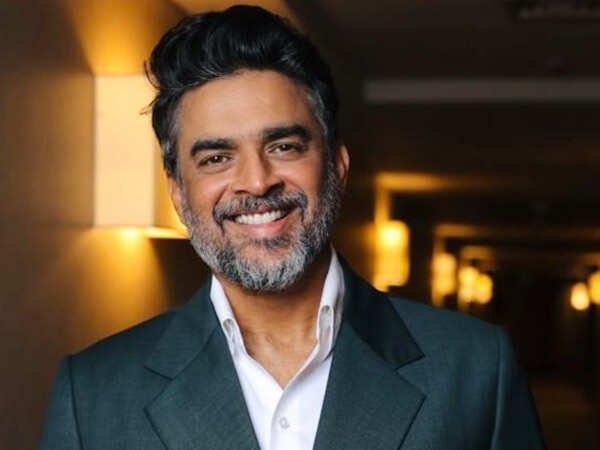
We already know how much Dhurandhar director Aditya Dhar pushed Ranveer Singh to transform for his role. But it turns out the filmmaker’s commitment extended far beyond the performances. R. Madhavan, who played Intelligence Bureau Director Ajay Sanyal in the espionage thriller, recently revealed that Dhar spared no expense when it came to perfecting the film’s finer details.
Speaking about the filmmaker’s creative vision, Madhavan shared that Aditya Dhar reportedly spent an additional Rs 10 crore solely on enhancing certain aspects of the film’s detailing.
‘Audiences are far more evolved than filmmakers’
Madhavan admitted that Dhar’s decision initially took him by surprise. However, after witnessing the film’s phenomenal success, he said he completely understood the filmmaker’s vision. Speaking to Gulte.com, the actor said Dhurandhar proved that audiences are far more evolved than filmmakers often give them credit for.
“Someone said that Aditya Dhar spent an extra Rs 10 crore on this level of detailing. Before the film’s release, I would have asked, ‘Who is going to notice all this?’” Madhavan said.
He added that had Dhurandhar failed, he probably wouldn’t have believed in the approach. Instead, the film’s success convinced him that storytellers should stop underestimating audiences in the name of commercial viability.
Adita Dhar expresses gratitude
Dhurandhar and its sequel, Dhurandhar: The Revenge, went on to become two of the biggest box-office successes in Indian cinema. The films also created records on Netflix, with Dhurandhar reportedly emerging as the platform’s most-watched non-English film globally. On the occasion of his 43rd birthday, Aditya Dhar took to social media to thank audiences for their support.
“Sitting here today, I feel an overwhelming sense of gratitude. For the journey, for the team that has always walked beside me, and for the faith so many of you have shown in my work over the years,” he wrote on X.
Also Read: “Why Can’t I Show That I’m Indian?”: Madhavan Reacts to Dhurandhar ‘propaganda’ Criticism




 By
By


 By
By