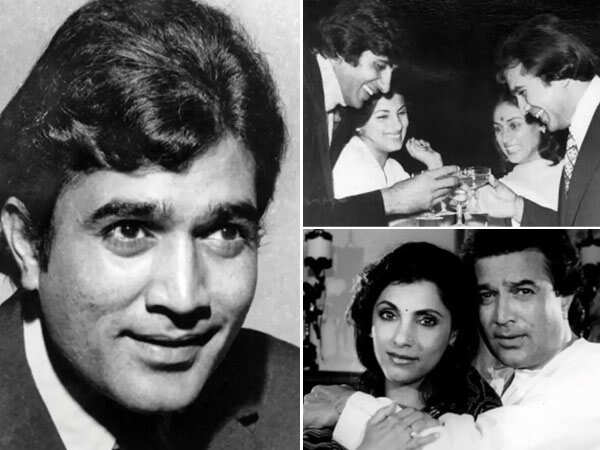


On Rajesh Khanna’s death anniversary, Filmfare’s Editor-in-Chief, Jitesh Pillaai, reflects on the extraordinary rise and poignant fall of Bollywood’s first superstar. A heartfelt tribute to the phenomenon who redefined stardom, the lessons his journey left behind, and the legacy that continues to captivate generations long after the curtain fell.
In Jitesh Pillaai’s words:
The books and documentaries on him serve as a cautionary tale. Of hubris, pride and fall from grace. He was probably a superstar for the shortest period of time, say from 1969 to 1974. But the longest ever remembered. And today, long after his death, he’s known as a legend. Rajesh Khanna, long after he was discovered at a Filmfare talent contest, went on to rule the marquee with back-to-back hits including Sachaa Jhutha (1970), Anand (1971), Aan Milo Sajna (1970), Kati Patang (1971), Aradhana (1969), Amar Prem (1972), Roti (1974), Safar (1970), Aap Ki Kasam (1974), Do Raaste (1969), Daag: A Poem of Love (1973) and Dushman (1972).

But to survive, talent needs discipline and a steadfast clarity and objectivity. The superstar’s ever-growing band of admirers, the late-night partying, the inability to choose the right scripts and the playing into stereotypes ensured cash flow, not longevity.

Perhaps cinema had become more complex. Also, a new cinema was evolving. The language of cinema was changing, and with it we got a newer hero who seemed to embody the angst and voice of a new generation- Amitabh Bachchan. The Rajesh Khanna story is apocryphal, but it bears repetition – jaded movie storylines, mediocre directors and a steadfast refusal to reinvent the persona.

Add to it the eccentric demands, the moodiness and yes, the super flops that followed. Dumping his girlfriend of seven years to marry the vivacious 16-year-old Dimple Kapadia, a marriage made on a highway to hell.

There’s something enormously magical and dramatic about hearing about the rise and fall of a man consumed by his own hubris – it’s probably a mirror to the frailties of showbiz.

That it gives you success but doesn’t give you a primer on how to handle it, ironically, more often than not, success is more difficult to handle than failure. Wishing the troubled superstar has found his peace in a different celestial world. May the angels sing to thee.
Also Read: Remembering Rajesh Khanna: Why Anand Still Feels As Powerful 55 Years Later


 By
By


 By
By