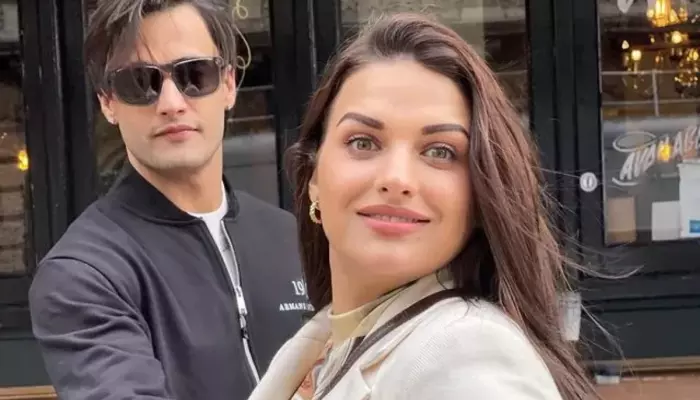
After spending over 15 years in front of the camera, Anushka Sen is stepping into a new chapter. The actor is set to make her Korean film debut with Jeju Olle, directed by Jin Kwang-kyo, becoming one of the first Indian actors to headline a South Korean feature film.
The trilingual film, shot on the scenic Jeju Island, follows Alisha Sen, an Indian singer grieving the loss of her sister, who finds healing, music and an unexpected connection with Korean singer-songwriter Sun-woo, played by Home Town Cha Cha Cha fame Kang Hyung-seok. The film is slated for release across South Korea, India, Southeast Asia and the Middle East.
For Sen, Jeju Olle is more than just an international project. It’s the culmination of a three-year journey that began with a desire to build creative bridges between India and South Korea. Along the way, she learnt Korean, immersed herself in a new filmmaking culture and took on her first performance in English alongside Korean and Hindi.
In this conversation with Filmfare, Anushka opens up about Jeju Olle, the responsibility of representing India on a Korean set, the lessons she brought back from Korea’s filmmaking culture, growing up in the spotlight and why she’s always wanted to be “the first” rather than “the next.”
Excerpts:
How did you come on board Juju Olle?
My Korean journey began three years ago. We started from scratch because there wasn’t really any precedent. There wasn’t an Indian actor doing a Korean film. We were figuring things out and creating a roadmap of what could be possible. We realised there were so many similarities between our cultures and art forms. We felt that if we worked together, we could create something beautiful. We had a lot of conversations with different people. They followed my journey and watched my work before meeting me in person.
In February, I met the director, who already had a story in mind. He invited me to Jeju because we were going to do the recce there. He also felt it would be a good opportunity for us to get to know each other and see if we could work together. At that point, we didn’t have a script. But after several rounds of meetings, discussions and interviews, everything slowly started falling into place. The director felt I was the right fit for the character of Alisha.
I’ve been learning Korean for the past three years through K-dramas and other content. I learnt more during my stay in Jeju.
Indian audiences have embraced Korean stories, and you’re among the first young Indian actors to lead a Korean project. Did that responsibility ever sink in while you were shooting?
I take every project I do very seriously. I feel a sense of responsibility because there are so many people who look up to me. I always want to make sure the decisions I take and the work I do make them happy. I also have high expectations of myself. I want to do my best and take on projects that haven’t been done before.
Even when I was very young, people would ask me about my dream. I never said I wanted to be the next someone. I always said I wanted to be the first at something. Thankfully, that’s been happening. I’ve consciously tried to be very mindful of the choices I’m making.
After spending so much time in Korea and working within their ecosystem, what are some things they do on set that you wish the Indian industry would borrow? And what did you miss about working on Indian sets?
I loved their 52-hour workweek rule. You can’t shoot for more than four days a week, and the working hours are strictly regulated. I’m not saying every industry should adopt it, but it was a wonderful experience.
Those extra days allowed me to work out with my co-stars, spend time with them outside of work and get to know them. I could also rehearse my lines because this was my first time performing in English, along with some Korean and Hindi. It’s a trilingual film, so having that extra preparation time helped.
We also had dance rehearsals for the film, so the schedule gave us enough time to spare without feeling rushed.
Another thing that impressed me was the storyboarding. I learnt about storyboards in filmmaking school, but this was the first time I’d actually seen one used so extensively on one of my projects.
What are some aspects of your character Alisha that stayed with you?
Alisha is an interesting character. When you first meet her, she’s in Jeju grieving the loss of her sister. She’s there because she had made a promise to her sister, so while she’s happy to be fulfilling that promise, she’s also carrying a lot of sadness.
Then she meets Sun-woo, played by Kang Hyung-seok. Their relationship begins with a misunderstanding, but as the story unfolds, you see both of them grow as individuals. He has his own struggles, she has hers, and through their journey together, you also witness a beautiful cultural exchange. This is going to be the first time audiences see a cultural exchange portrayed in this way, especially because I’m the first Indian actress to feature in a Korean production film.
This character will always be special to me. Playing her was a dream come true because, in many ways, she fulfilled my K-drama dreams. I’m someone who’s very emotionally open. I don’t like denying or hiding my emotions. Through Alisha, I was reminded how important it is to acknowledge your emotions, to understand how you deal with them, and to surround yourself with the right people. The film also reminded me how valuable friendships are.
You’ve been working for 15 years now, and you’re only 23. Do you ever pause and look back at your journey and try to take it all in?
I look at my journey as a source of motivation. Every project I’ve done, I’ve tried to give my best. I’ve always challenged myself and stepped out of my comfort zone. When I was 18, I did a reality show at a time when very few actors my age were doing something like that. Then I started making music with an American producer. I’ve always tried to experiment because that’s how I grow as an artist and as a person.
Looking back at my journey motivates me, but it also keeps me grounded. Along the way, I’ve met incredible people, learned so much and received love from fans across the world. Even my relationship with the Indian media has been so special since they have seen me grow up.
But every new project comes with its own challenges. Walking onto a Korean set was overwhelming. The language was different, and we were attempting something that hadn’t been done before. Some people were meeting an Indian for the very first time. That’s a huge responsibility. But having this experience gave me confidence and made me feel secure.
Has it ever been difficult to keep parts of your life private? And do you ever feel like you missed out on a normal childhood?
I had the best childhood possible. I was constantly meeting new people and learning life lessons on set. I enjoyed growing up in this environment. At the same time, I had my closest friends, sleepovers, hangouts and all the little experiences that make childhood special.
My parents are my best friends. We’ve travelled to 29 countries together. I was also able to become financially independent at a young age and build a life with my family from scratch. Looking back, I feel grateful because those experiences have helped me grow so much. They’ve made me more confident and reminded me that there really are no limits to what I can achieve. This is something I dreamed about when I was a child actor. Now that I’m living that dream, I want to embrace it fully.
What Indian things did you teach your Korean co-stars and crew?
They absolutely loved speaking Hindi. It was so cute. On Indian film sets, we use so many phrases that become second nature to us. For example, someone might say, “Baby ki mundi kaat do,” which actually means removing the light from its stand. When I translated that literally, they were completely shocked. They found those little behind-the-scenes expressions fascinating. After we wrapped the shoot, I took the entire team to an Indian restaurant because I wanted to treat them to Indian food. We had chicken curry, naan, garlic naan, jeera rice, dal makhani, dal fry, rasgullas and gulab jamuns.

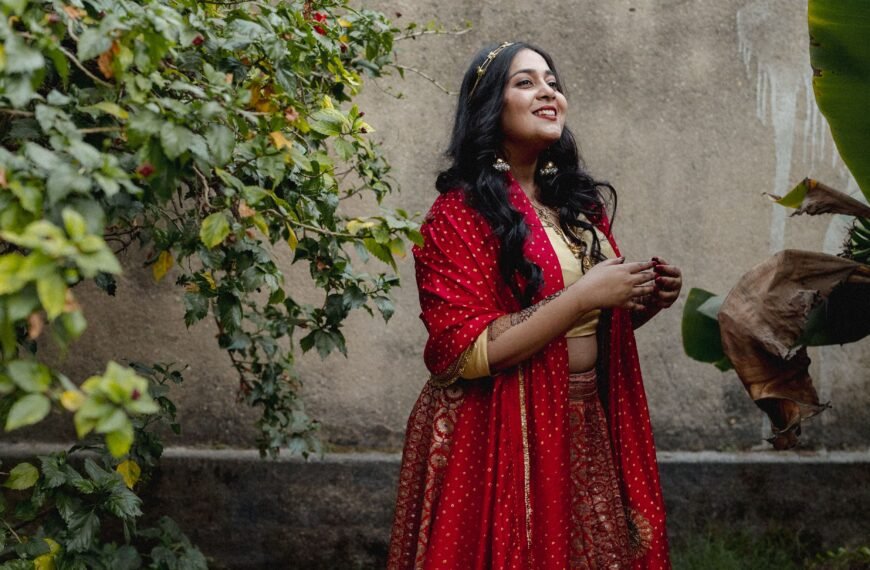
They loved everything and ate so much. It was a wonderful experience. At the press conference, I also wore a saree that my mother had gifted me, along with jhumkas and bangles. Everyone was fascinated. Even my co-star, Kang Hyung-seok, kept admiring the outfit and saying how beautiful it looked. They were especially obsessed with the earrings. Seeing them appreciate Indian attire made me happy.
If you could give one piece of advice to the young Anushka who had just started out, what would it be?
Young Anushka has given me more advice than I could ever give her. She was fearless. She never overthought things. She simply followed her heart and never worried too much about what might happen next.
As we grow older, we tend to overthink, and I’ve realised I do that sometimes too. So I’m actually trying to get back to the mindset I had when I was younger. If I had to tell her one thing, it would simply be to stay patient, keep doing what she’s doing and continue being herself. People are going to love her cheerful, joyful personality. Even if she feels different in certain rooms, that’s actually a strength because it makes her unique.
What’s next?
There’s a lot happening, but right now, I really want to talk about Jeju Olle. I’m incredibly excited that the film won’t just release in Korea and India, but in at least 10 other countries as well. The press conference went wonderfully; the Korean media has been so supportive, and seeing my fans react so enthusiastically to the announcement has been incredibly heartwarming. I just want to tell everyone to stay tuned because this is only the beginning. I’m going to continue giving my best and keep taking on projects that cross boundaries and create collaborations that nobody has imagined before.




 By
By


 By
By